Lettuce
Lettuce is one of the easiest and versatile veggies to grow in the garden!
Plant care & info
Lettuce needs at least 5 hours of direct sun to produce full heads. Leaf lettuce can produce in partial shade. In the peak of summer, shade lettuce during the hottest parts of the day. Lettuce also prefers rich, well‐drained soil. Mix 1‐3” of composted manure into the planting area. Be sure to mix an all purpose granular fertilizer into the bottom of each planting row too.
Start early crops indoors mid‐March, about 3‐4 weeks before the last frost. Harden off seedlings when they are 1‐2” tall or 3‐4 days before planting outdoors. Seeds and transplants can go directly in the ground from mid April through early October. Plant a new crop every 3‐4 weeks for a continual fresh lettuce harvest. Focus on heat resistant varieties in June and July, and cold tolerant varieties in August and September.
Winter lettuce needs to be protected by cold frames or cloches.
Plant seeds 1/8” deep, in rows 16‐18” apart. For heads of lettuce, thin seedlings 10‐16” apart after 2‐3 sets of true leaves appear. Transplants should be planted 10‐14” apart for loose leaf varieties and 12‐16” apart for Romaine and iceberg types. Water in new starts with liquid seaweed or B1.
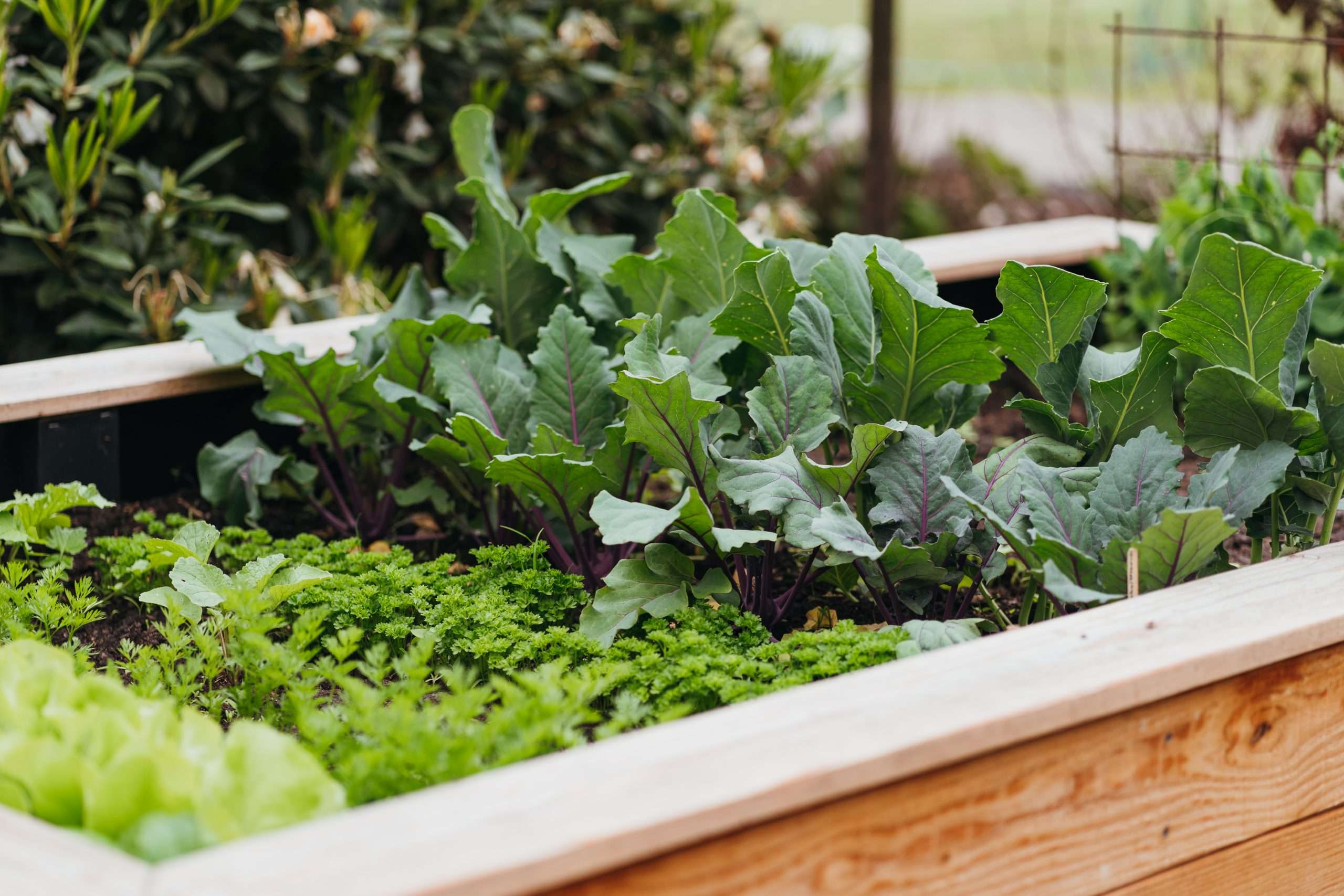
Lettuce grows extremely well in containers at least 6” deep. In the heat of summer, keep lettuce containers in partial shade and water daily. Lettuce can be grown indoors any time of year!
How much water your plants will require depends on the soil and weather. Remember, lettuce loves water and will become bitter if it dries out! Water when the top 1” of soil is dry. Mulch with a 1⁄2” layer of compost to retain moisture and prevent overheating. Drip irrigation is the best way to provide even moisture while avoiding disease issues. However, in extremely hot weather, overhead sprinklers can help cool the plants and prevent bolting.
Side dress rows with an all purpose fertilizer 2‐3 weeks after planting. Or apply a foliar spray of compost tea or fish emulsion every 2 weeks until plants are 4” tall.
Lettuce can be harvested in entire heads or by the leaf. All lettuce is best harvested in the coolest parts of the day. Heads of lettuce can be cut just above soil level once the heads form. Loose leaf lettuce can be picked as soon as the leaves are big enough.
Pick a few of the outer leaves at the base, leaving the center of the plant intact. Baby lettuce and salad mixes can be harvested using the “cut‐and‐come‐again” method. Hold a handful of leaves and cut them 3⁄4” from the soil line. You should have a new flush of lettuce in 3‐4 weeks.
It is best to harvest lettuce as you need it. Heads of lettuce will keep in the refrigerator for up to a week. Loose leaves will keep for only a few days.
- Cutworms can often mow down all of your seedlings in one night, or chew holes in the leaves. Spinosad is an organic control for cutworms. Nematodes can help control cutworm larvae.
- Cabbage loopers are caterpillars that eat large irregular holes in leaves, leaving bits of green excrement. For prevention, cover new seed beds with floating row cover. Spray with Bt to control infestation.
- Aphid damage often appears as curled, twisted, and/or yellowed leaves. You may find colonies of green to yellow aphids on the undersides of the leaves and growing tips. Sticky sap on leaves and stems, along white aphid skeletons, can be quite prevalent. There are numerous sprays and control measures to help combat aphids.
- Mildews appear as white patches, preceded by reddish patches, on the leaves and stems. Both downy and powdery mildew are fungal issues. Downy mildew can also cause roots to be misshapen with rough, cracked skin. Remove as much of the infected areas as possible. There are numerous fungicides listed for edibles, such as Serenade, that can prevent the spread of powdery mildew.
- Snails and slugs leave large holes in leaves or eat new transplants while feeding at night. They often leave iridescent trails on leaves and the ground. Slug baits and beer traps are just two ways to control them.
- Tip burn appears as dark edges on interior leaves. It occurs when absorbable calcium is lacking, often due to moisture stress or big temperature swings. Adding lime at planting time, providing consistent even moisture and/or calcium sprays can all help deter tip burn.
- Gray mold, also known as botrytis, appears as brown or white spots on leaves. These spots will then develop grey fuzz. It is common in cool wet weather. Remove and destroy infected parts. Prevent further spread with a fungicide such as Serenade.
- Bottom rot starts as dark spots near the midrib of the lower leaves. These spots may also appear sunken and oozing. Remove infected plants before they become slimy. Replant new lettuce in a different area. Improve drainage of infected areas and rotate other crops in, such as onions or corn.
Lettuce can be planted directly from seed or from transplants, and it can be harvested year round. If that’s not enough to get you excited, the wide array of colors and textures make lettuce a beautiful container crop too! Lettuce can even be grown indoors!