Northwest Natives
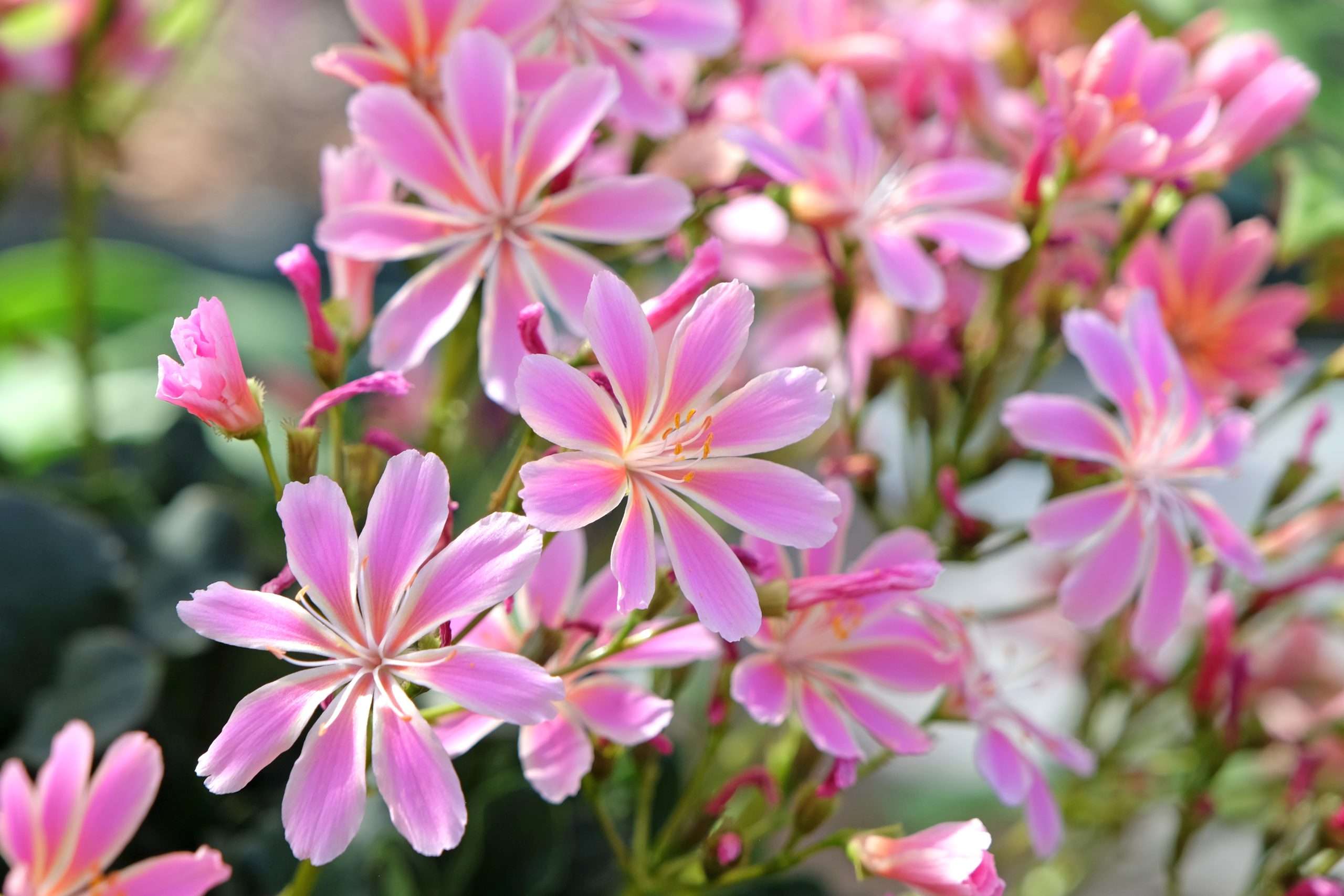
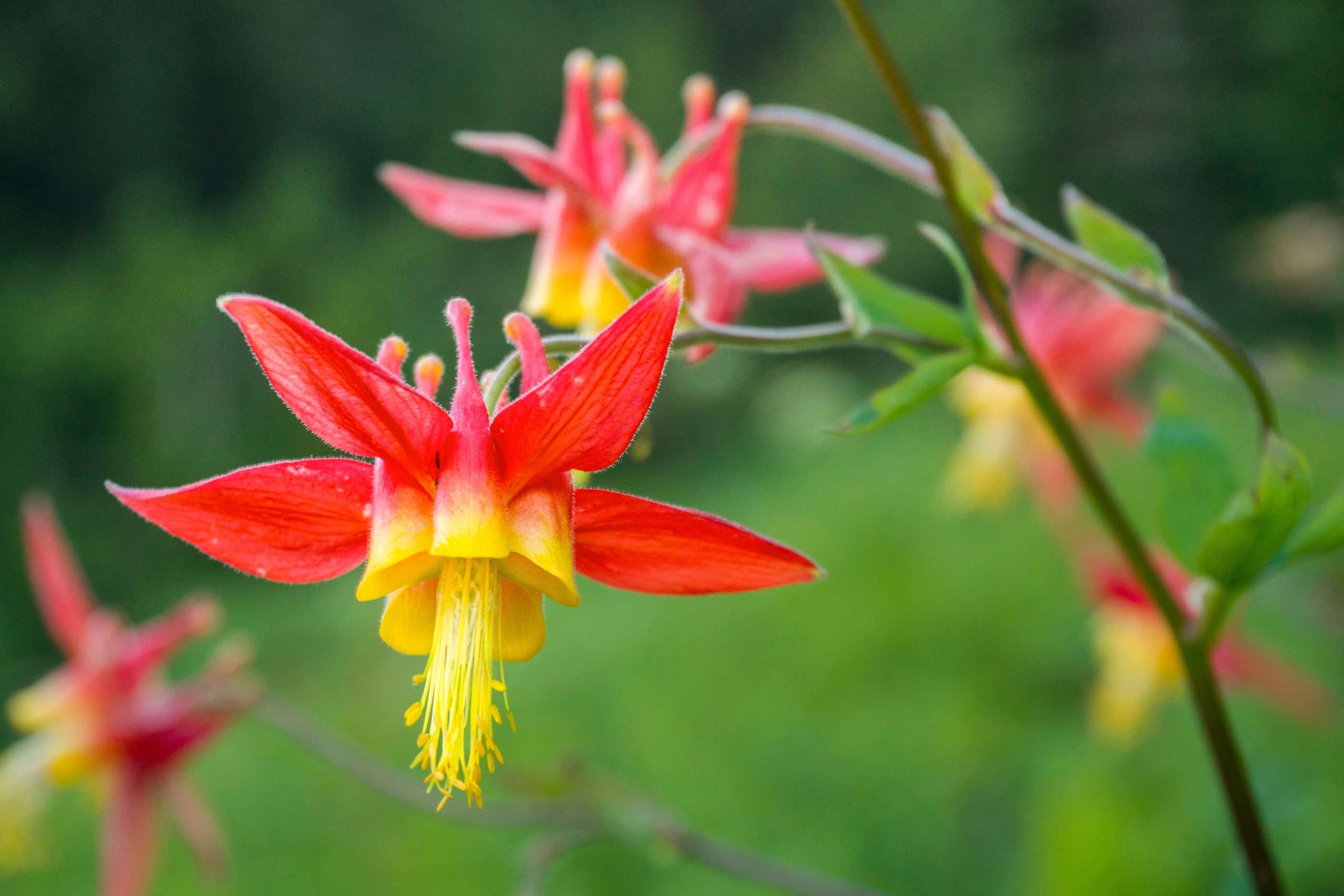
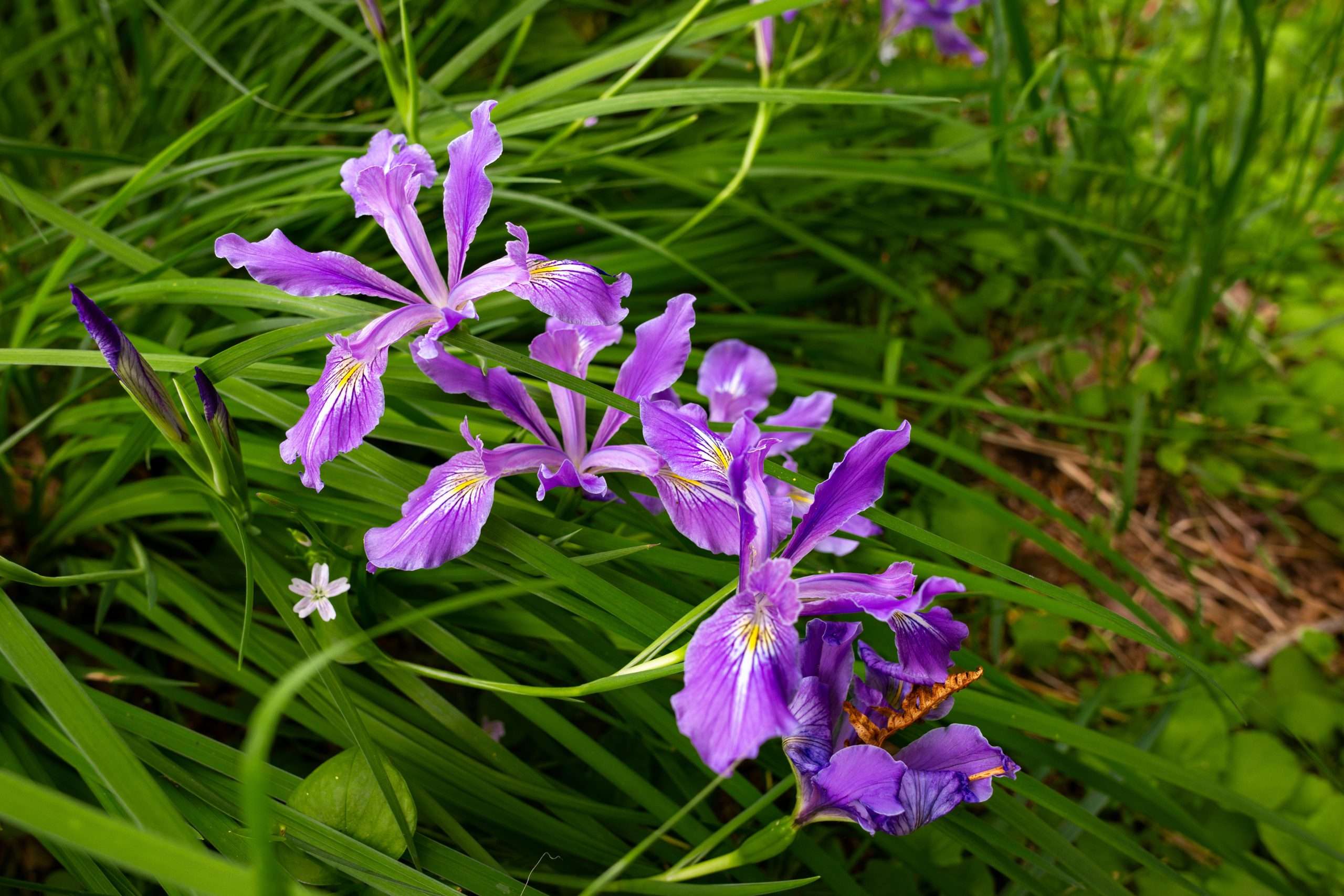
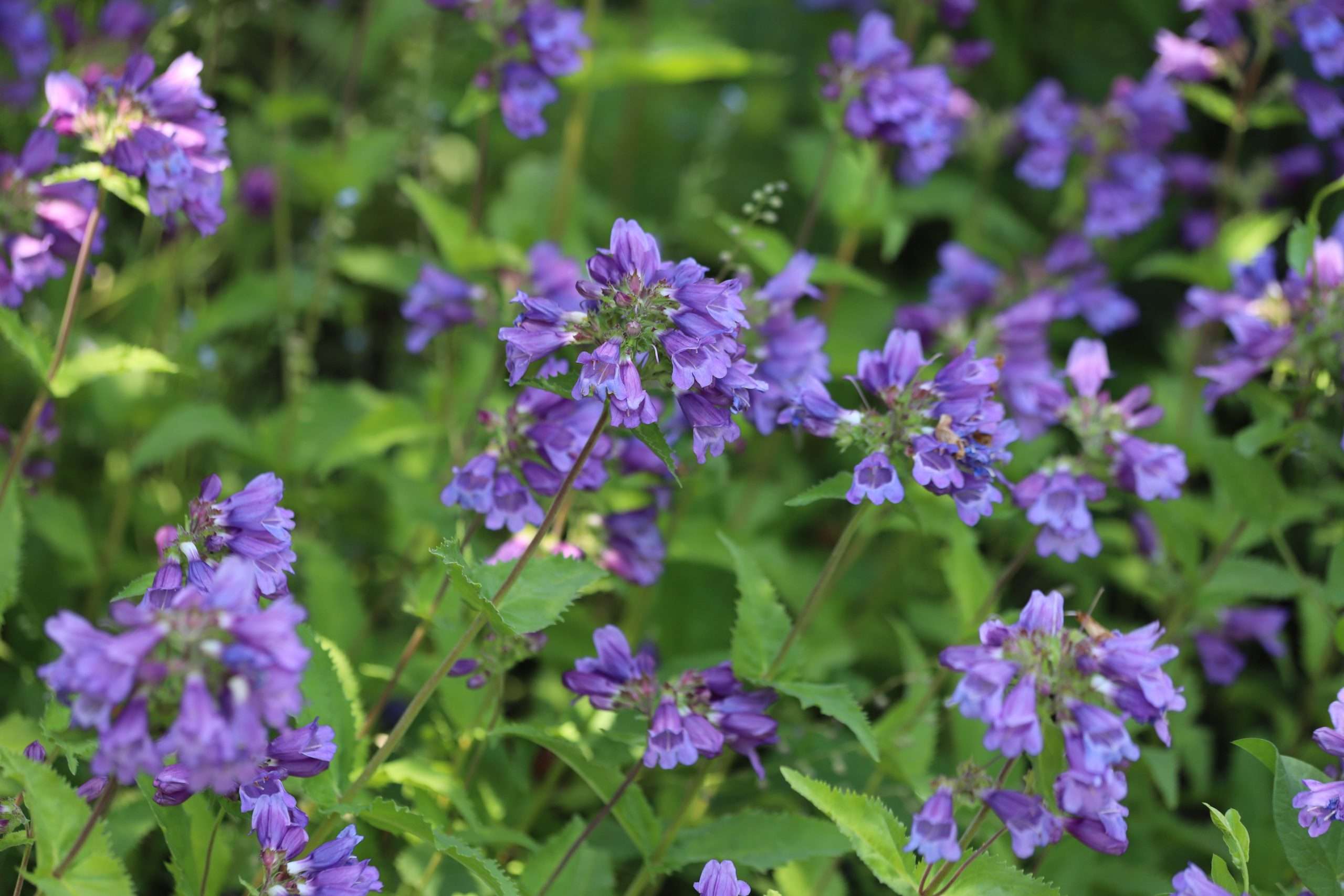
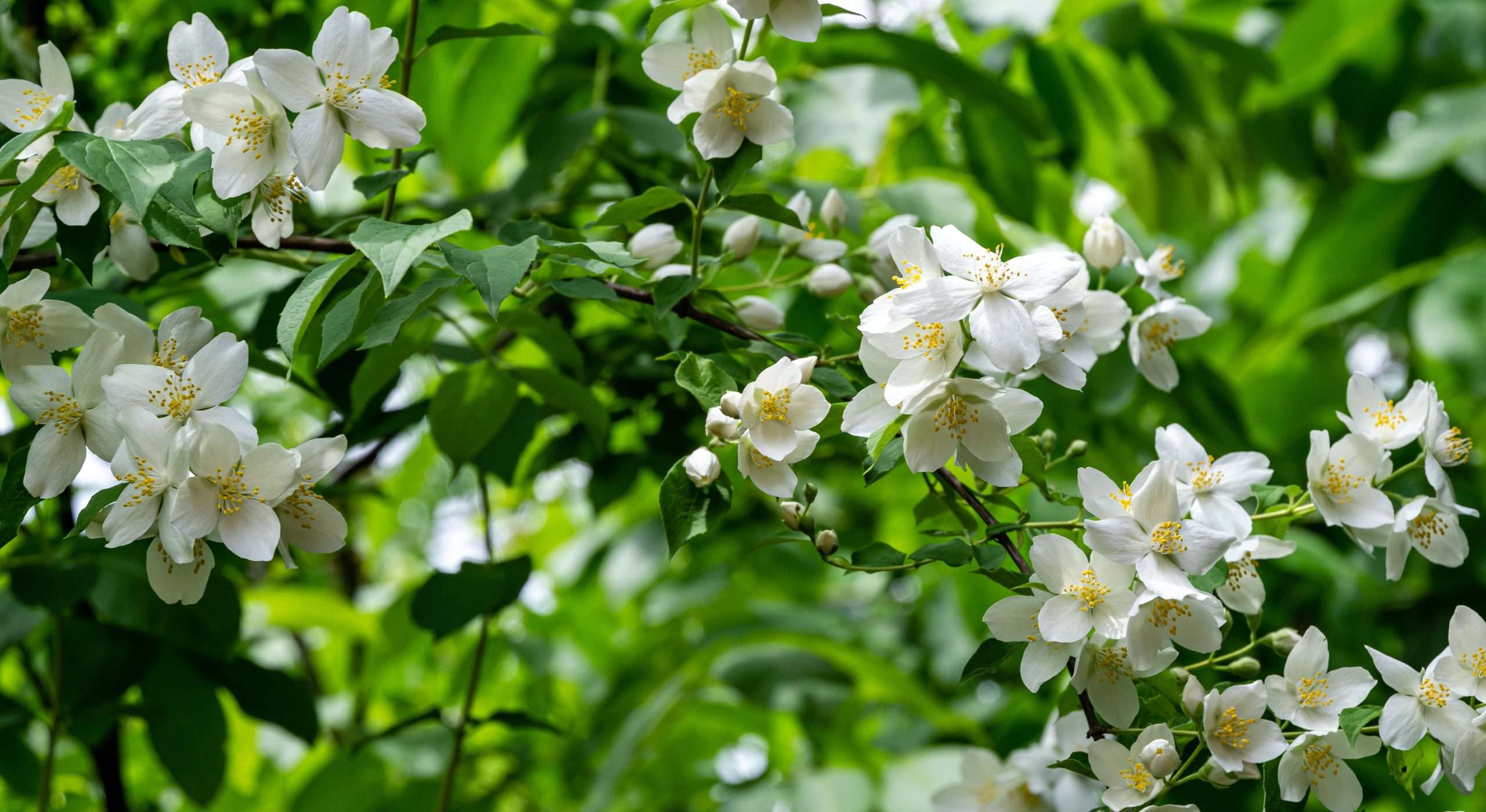
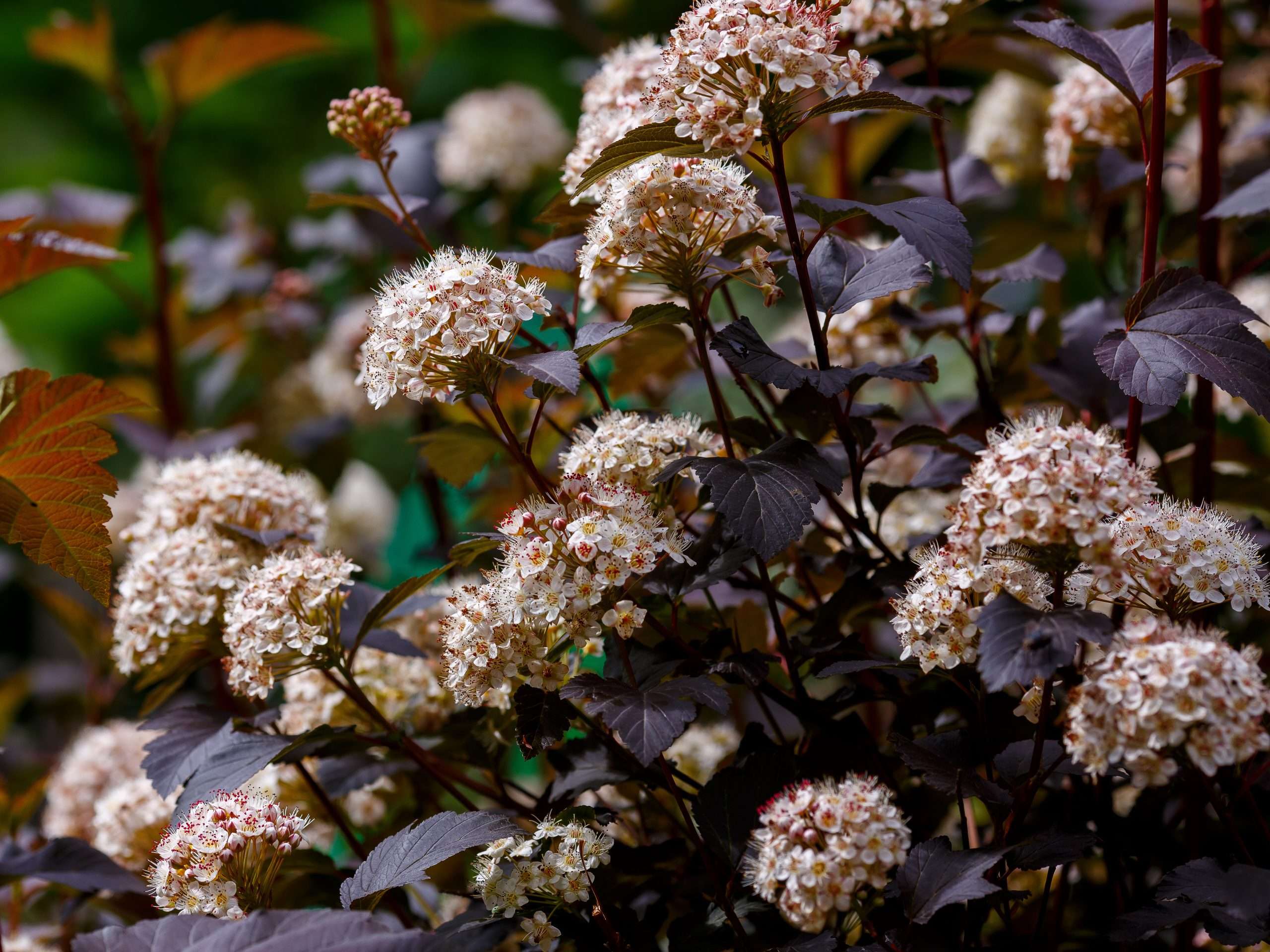
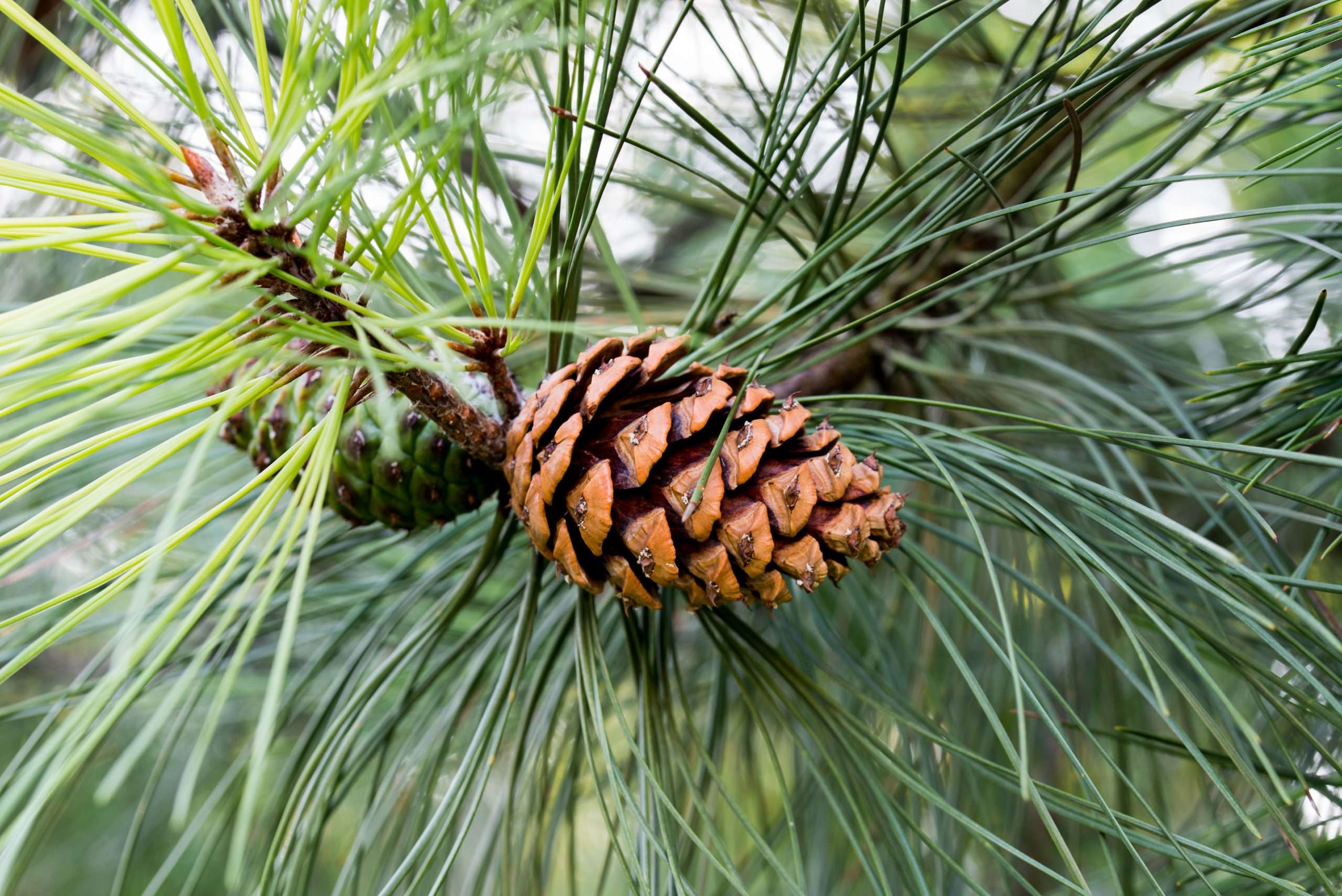
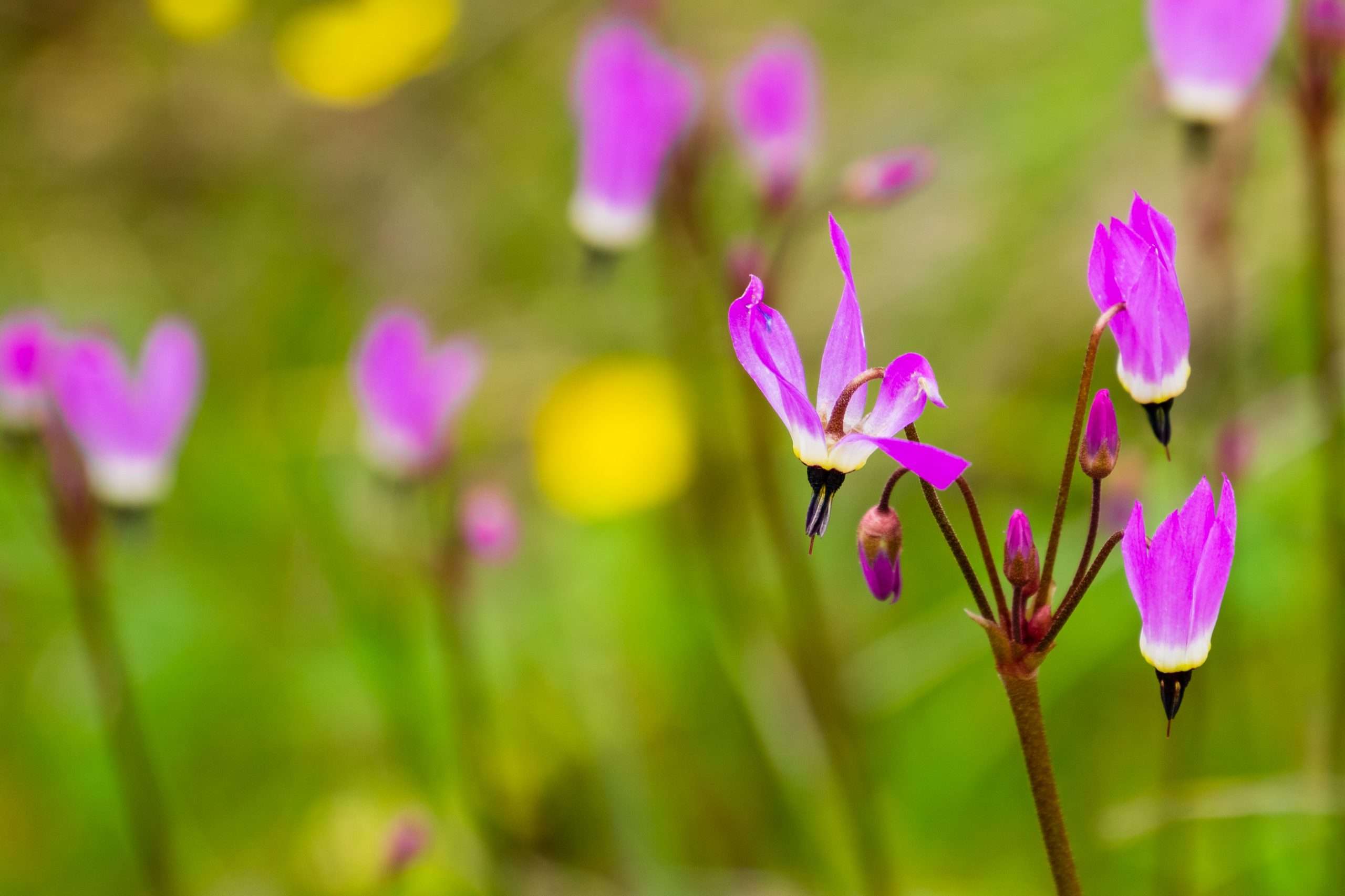
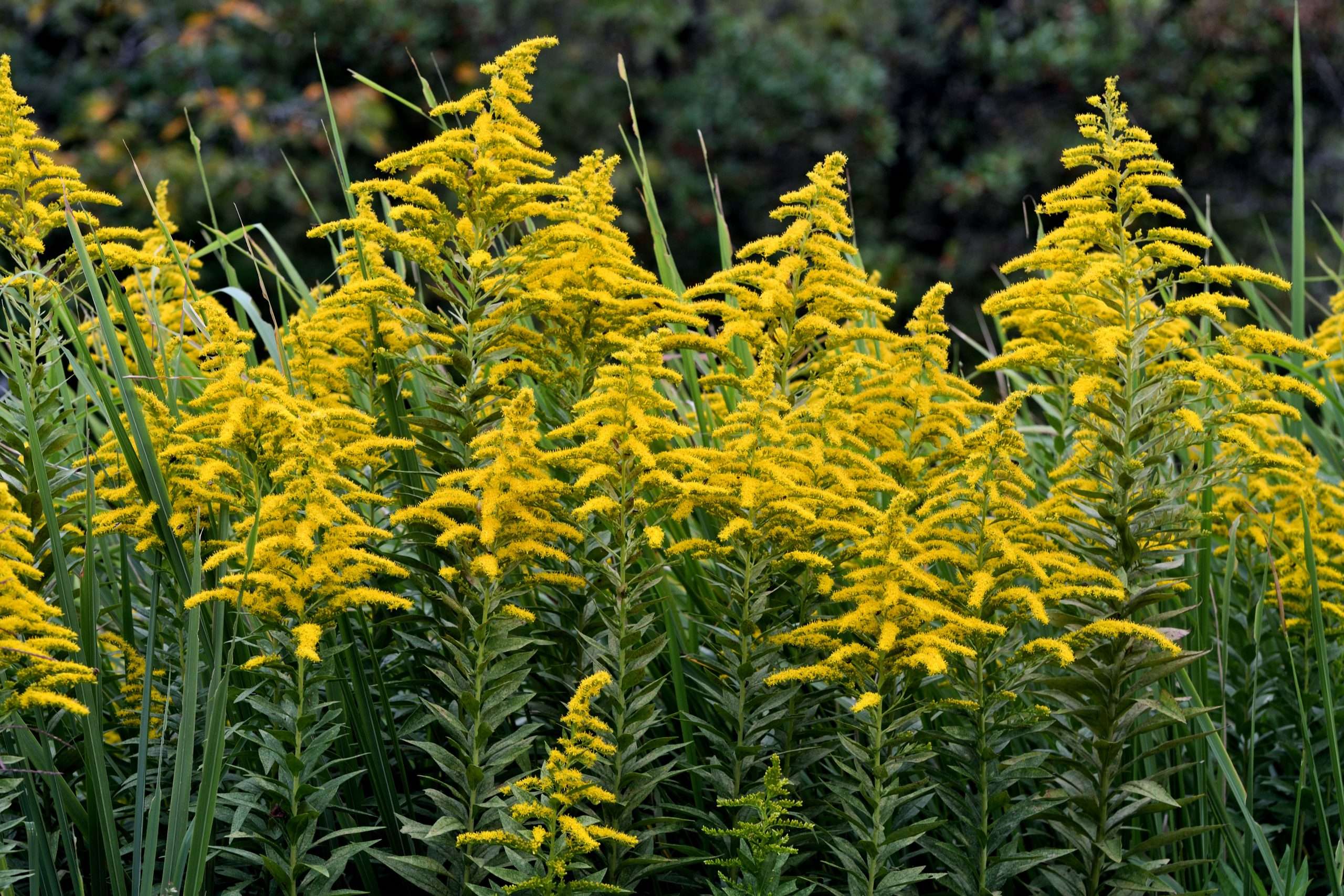
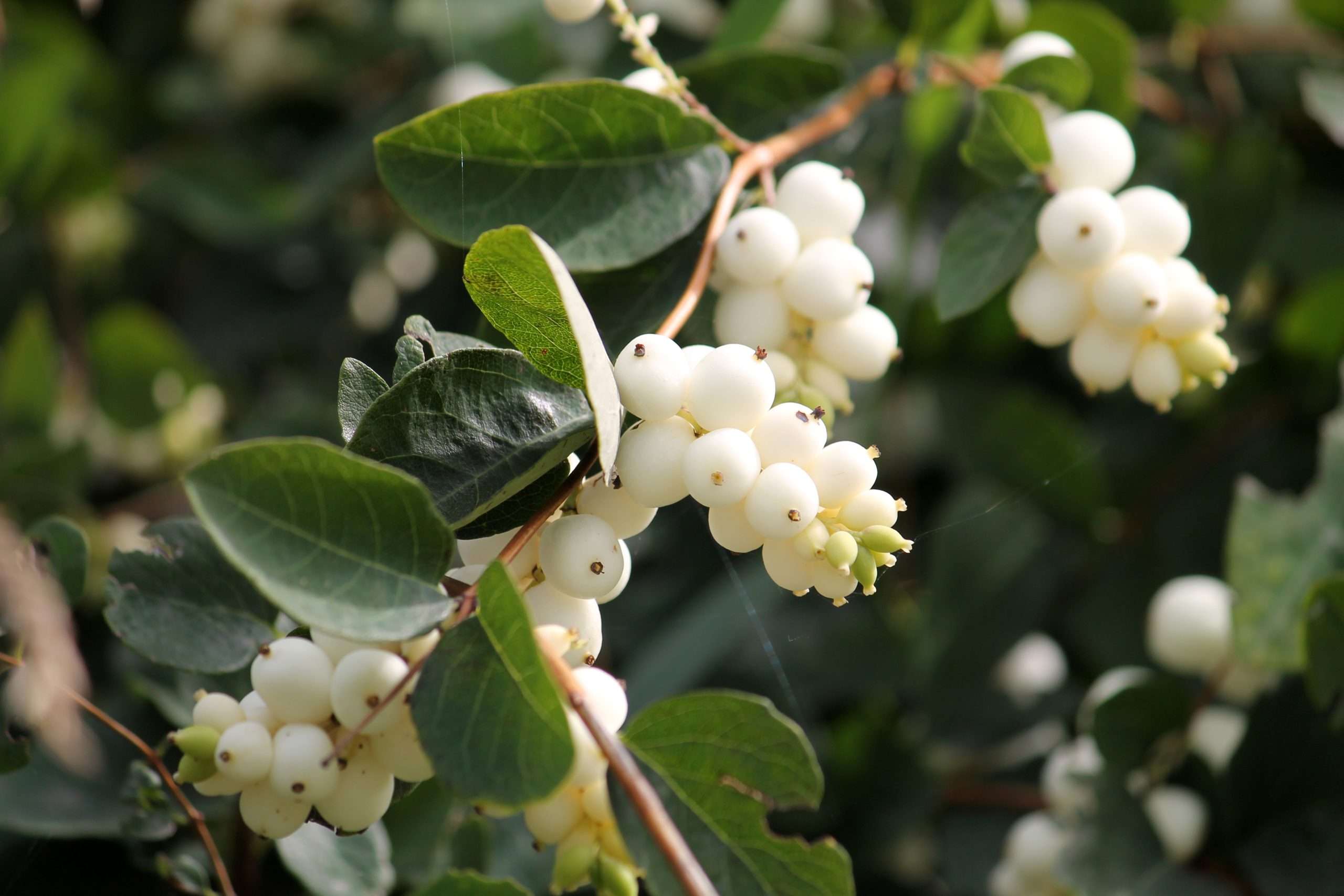
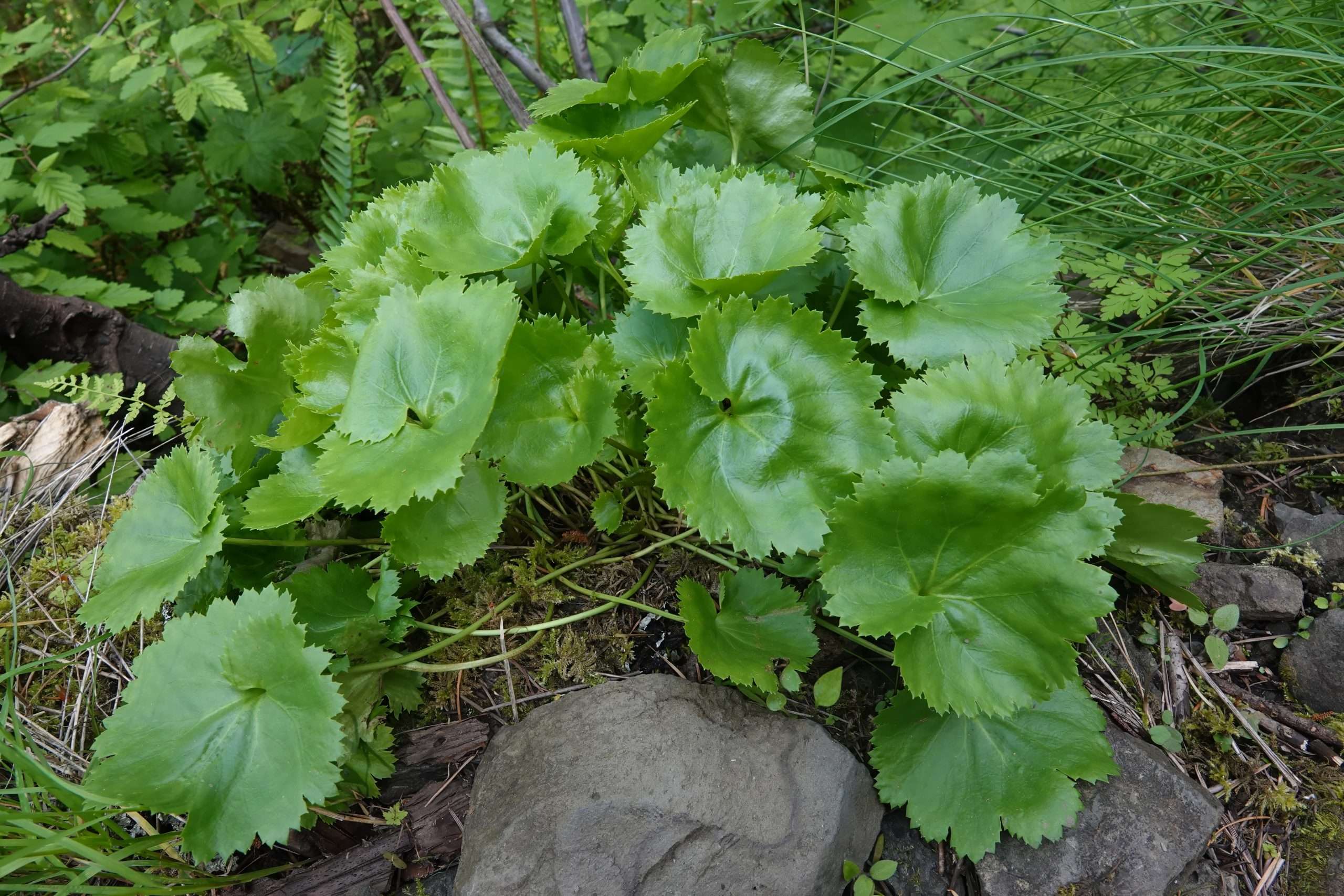
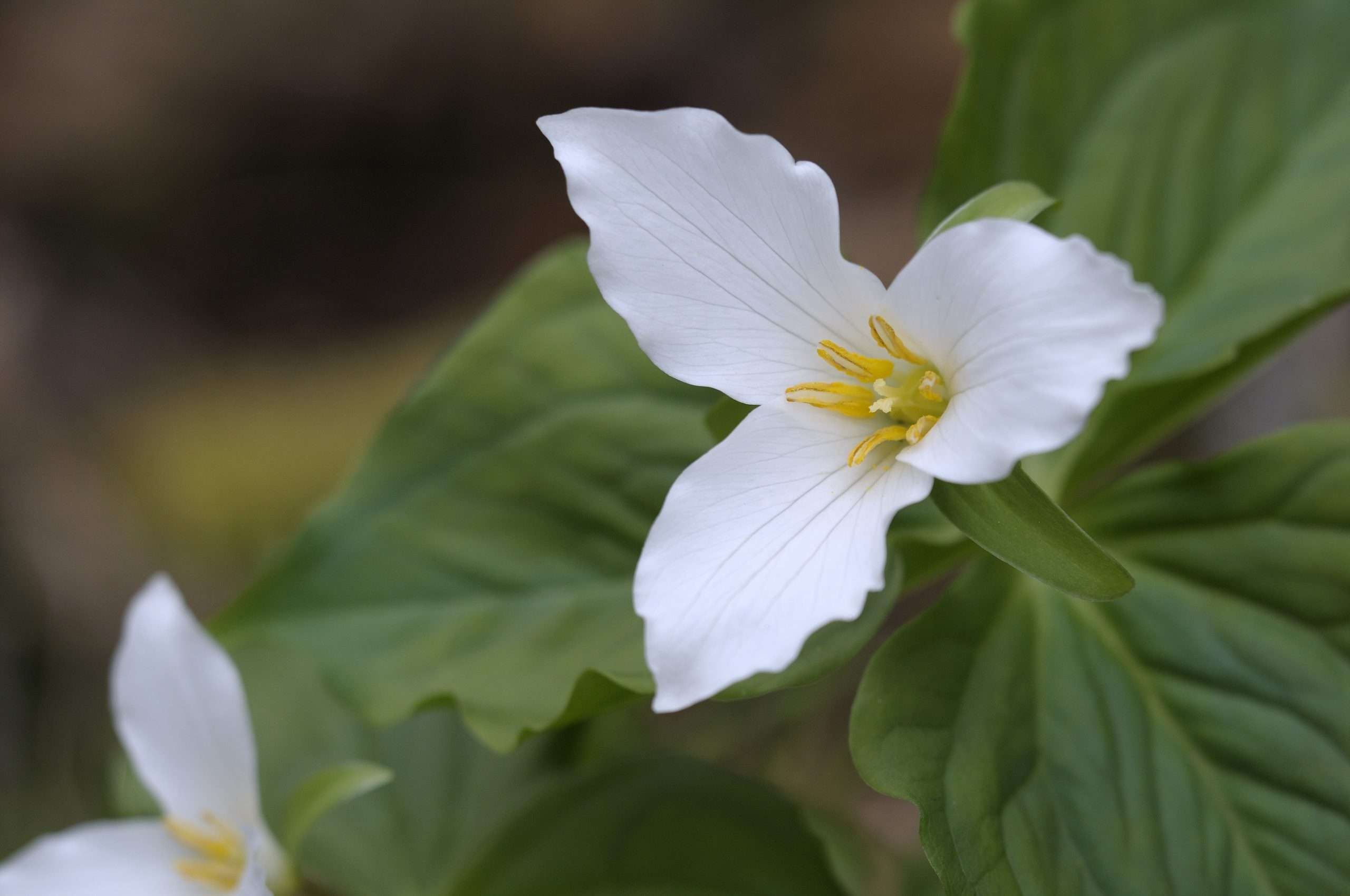
In the Pacific Northwest, we are fortunate to be home to a lush green environment with a wide variety of plant species, rich in color, texture and local history.
Things to consider
As our wild spaces decrease the importance of adding native plants to the urban landscape grows. Planting natives is the best place to start when the goal is restoring ecosystems, attracting wildlife, and supporting pollinators.
Northwest plants, animals, and insects have lived together for eons, so it’s no surprise that our native critters prefer the familiar. Adding trees to support insects and caterpillars will bring butterflies and birds. Using native annuals and perennials will feed native bees. Almost all native plants have a role in supporting pollinators.
We are proud to offer a vast collection of Oregon native plants at both of our Southeast Portland shops.
Many native plants will adapt to differing environments, but it is still important to put the right plant in the right place.
Things to consider when choosing plants:
- Sun/Shade requirements
- Size at maturity
- Purpose in the landscape

Just like other nursery plants, NW natives need proper care.
Here are a few tips for successfully establishing new plantings:
- Planting in autumn is ideal, but spring is good too. The closer you get to summer, the more water you will need to provide.
- Soil preparation is important. Break up existing soil in an area as wide as possible, but dig holes only as deep as the root ball. Planting depth should be flush with existing soil or slightly raised.
- Water new plantings thoroughly on planting day (even if it’s raining) and weekly during dry spells until plants are rooted into their new sites. We recommend a long….slow…..watering so roots are sure to get soaked.
- Apply 1-2” of mulch. This is the best way to amend heavy soil, keep moisture levels more even and protect against weeds.
- Remember that established plants need water in extreme conditions. They will appreciate a deep soaking during long, hot, dry spells.


NW Natives for Backyard Habitat Certification
If you dream of having your garden certified as a Backyard Habitat with Bird Alliance of Oregon and the Columbia Land Trust, we have a variety of NW Natives throughout the year that can help make your dream a reality! You can check out our list of NW Native Plants that we often have on hand to get yourself started, and if you have any questions along the way, please don’t hesitate to reach out.
Note: New NW Natives arrive every week at both locations. Please give us a call or stop on by for current availability!
Learn more

Insect Host Plants Include:
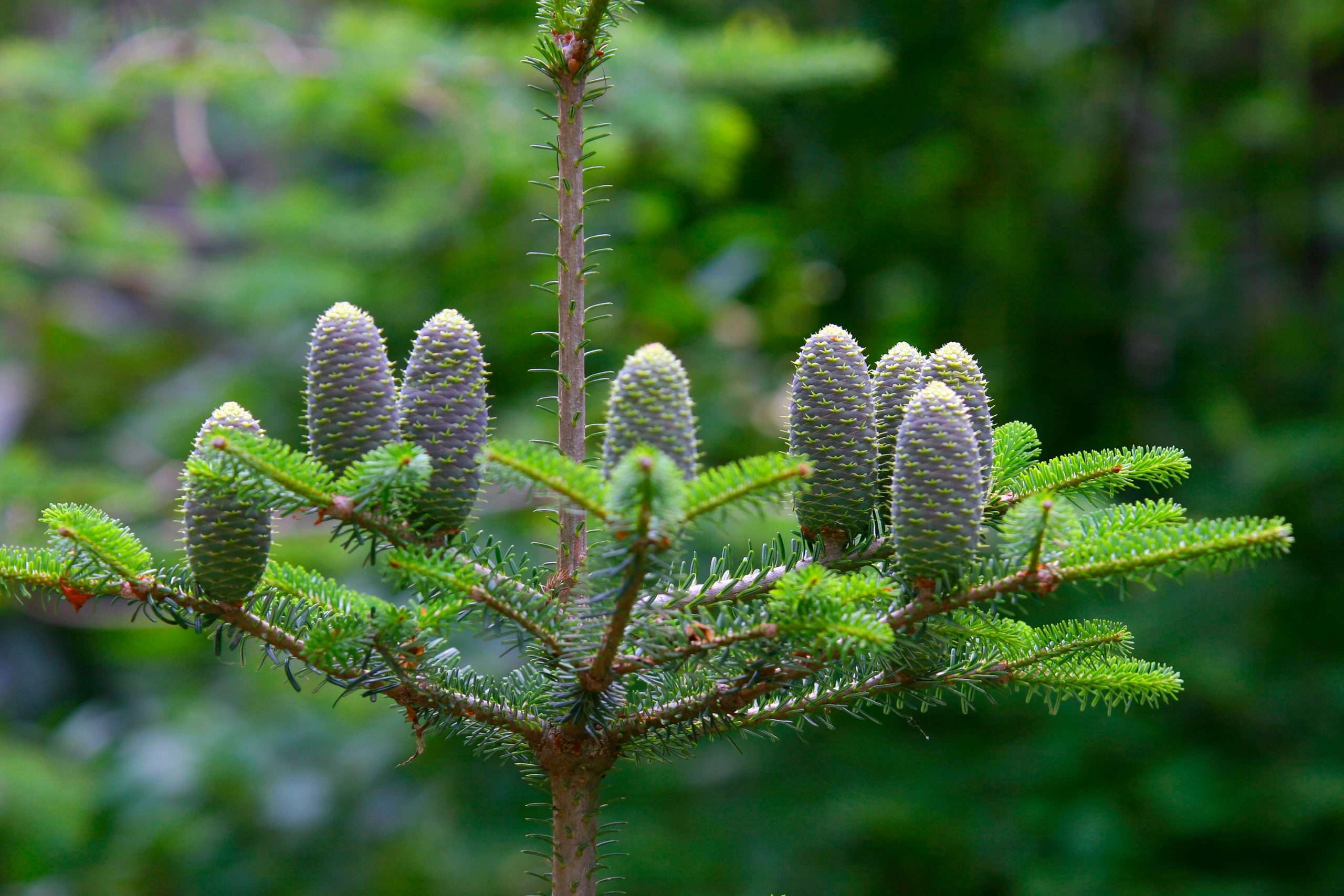
- Abies grandis — Grand Fir
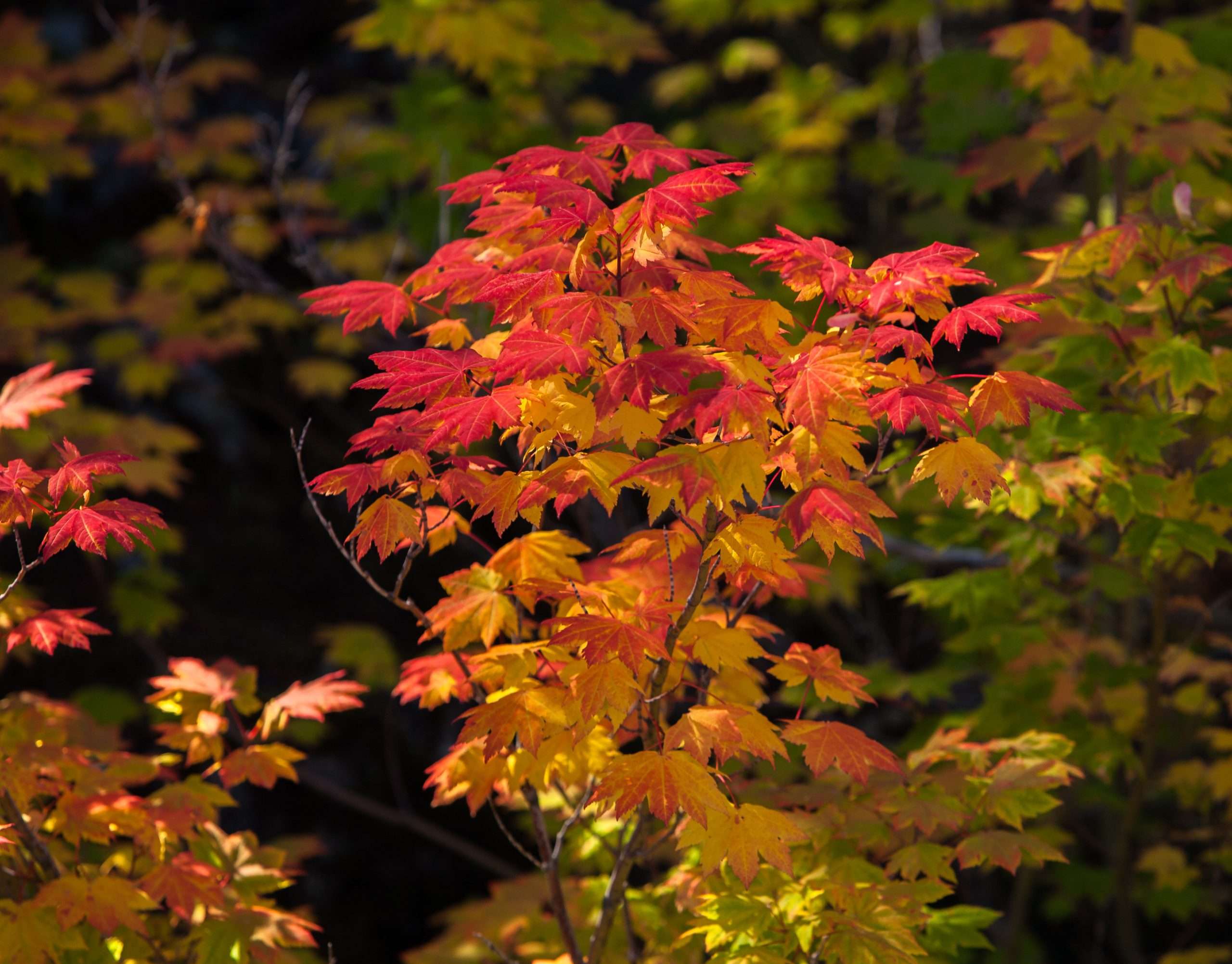
- Acer macrophyllum — Bigleaf Maple
- Calocedrus decurrens — Incense Cedar
- Holodiscus discolor — Oceanspray
- Pseudotsuga menziesii — Douglas Fir
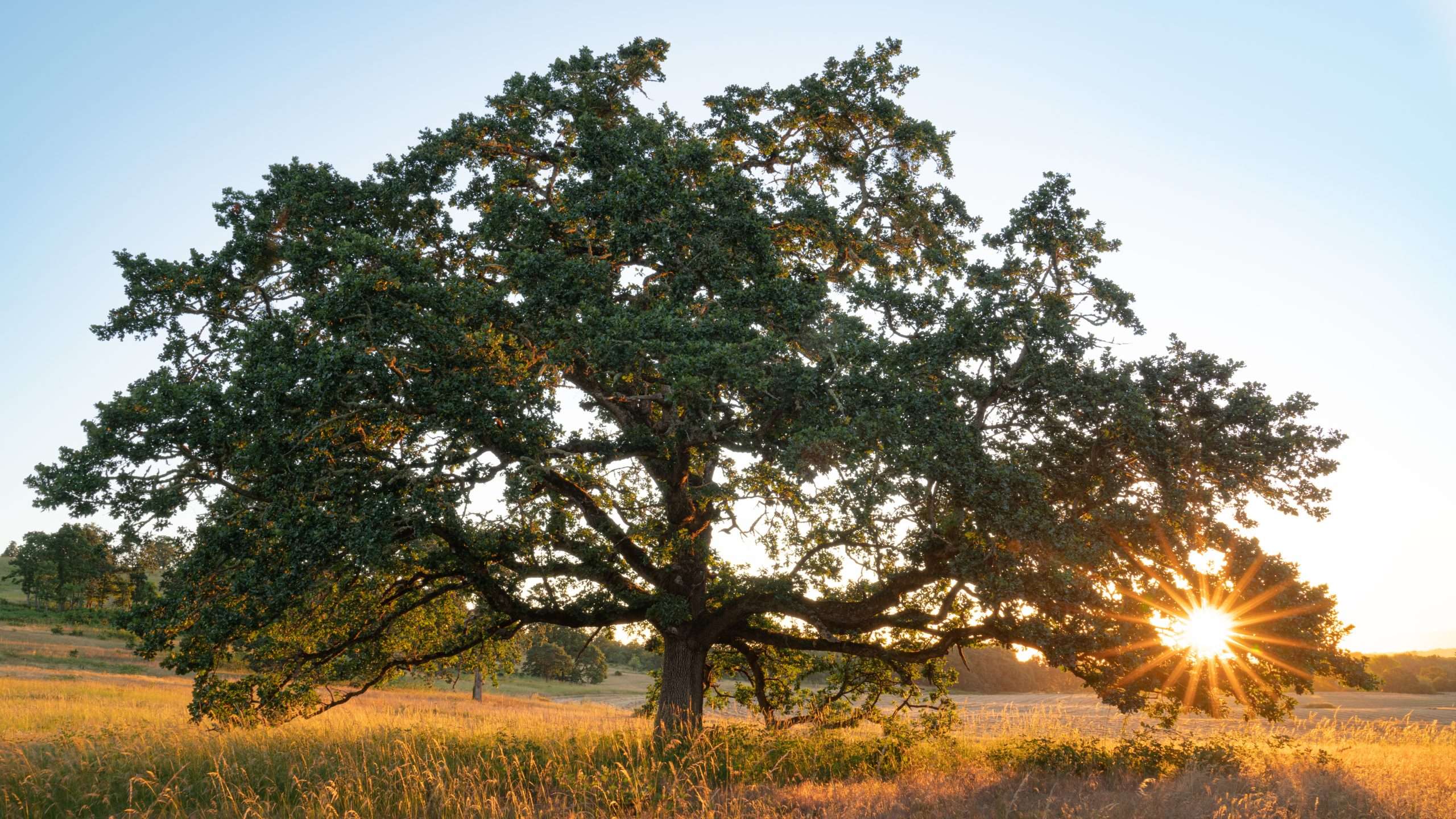
- Quercus garryana — Oregon White Oak
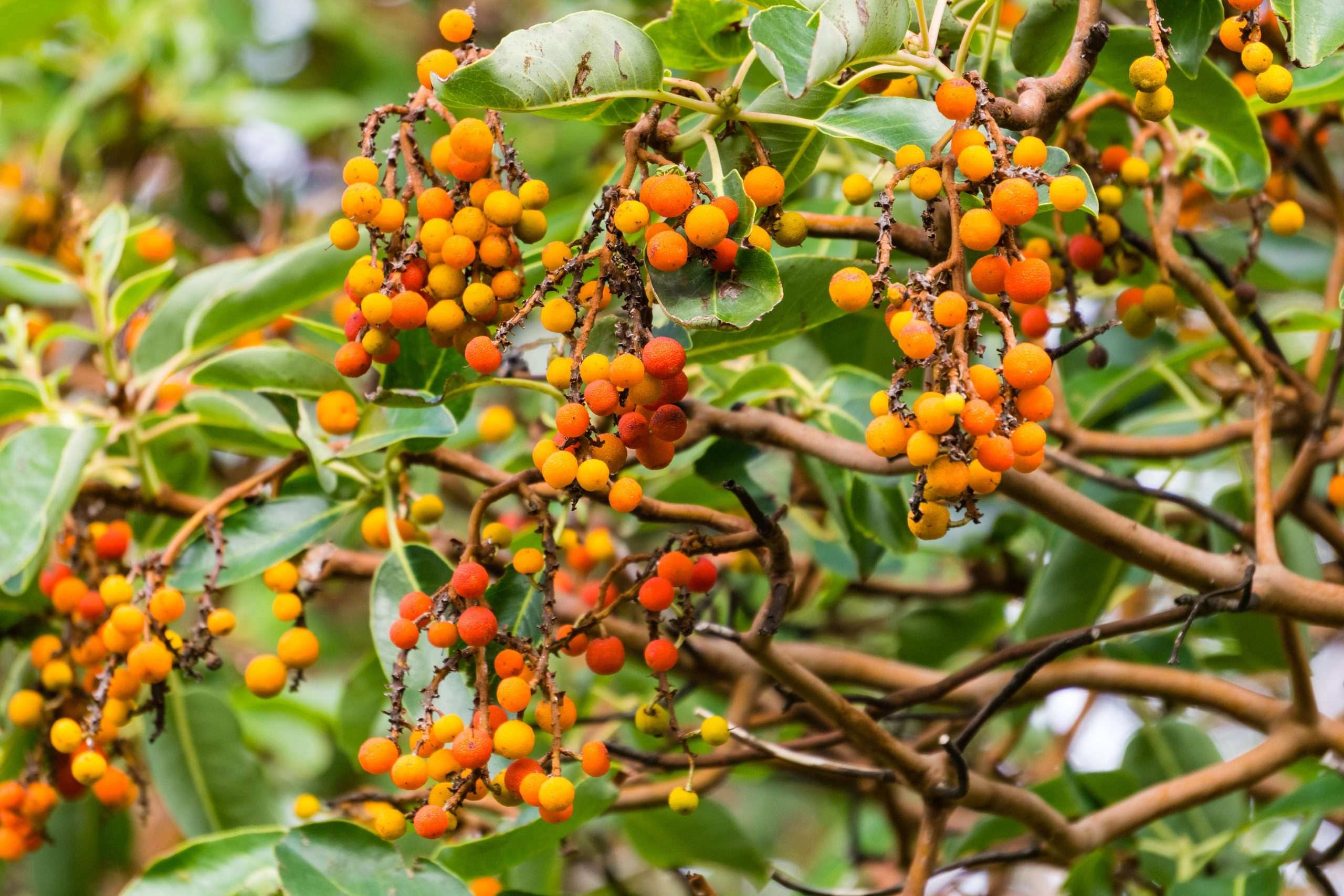
Fruit & Seed Plants:
- Alnus rubra — Red Alder
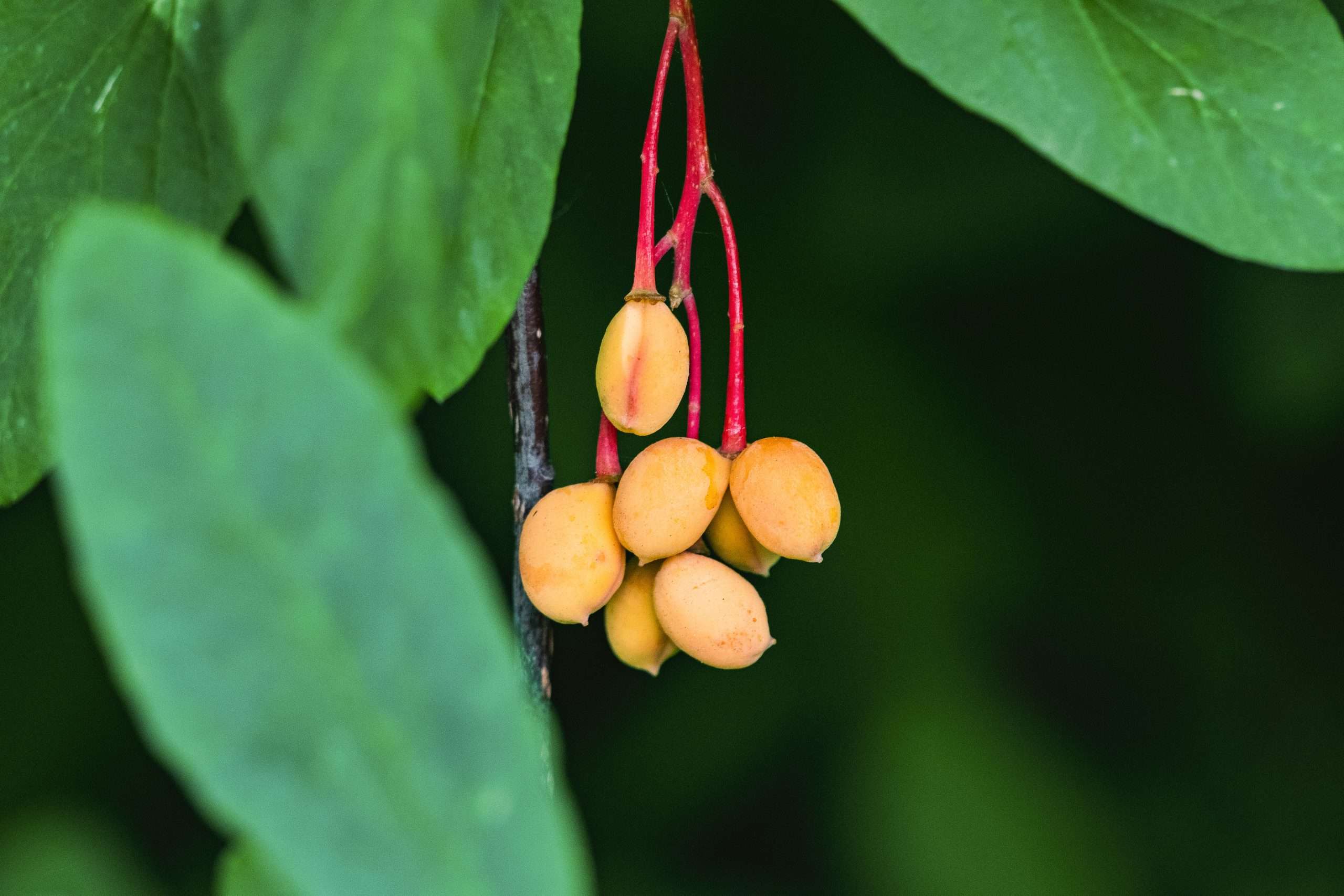
- Amelanchier alnifolia — Serviceberry
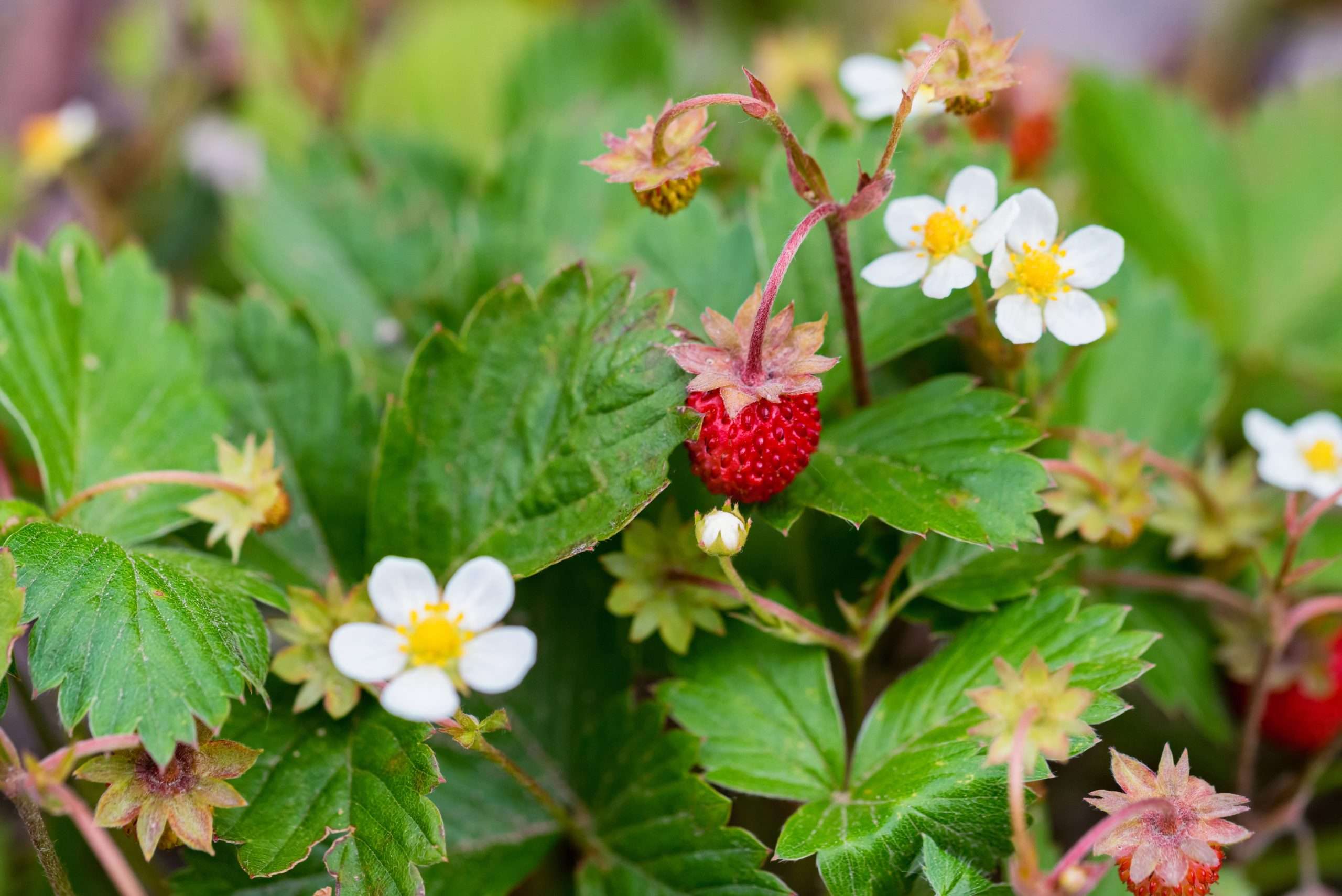
- Fragaria — Wild Strawberry
- Lonicera involucrata — Twinberry
- Mahonia — Oregon Grape
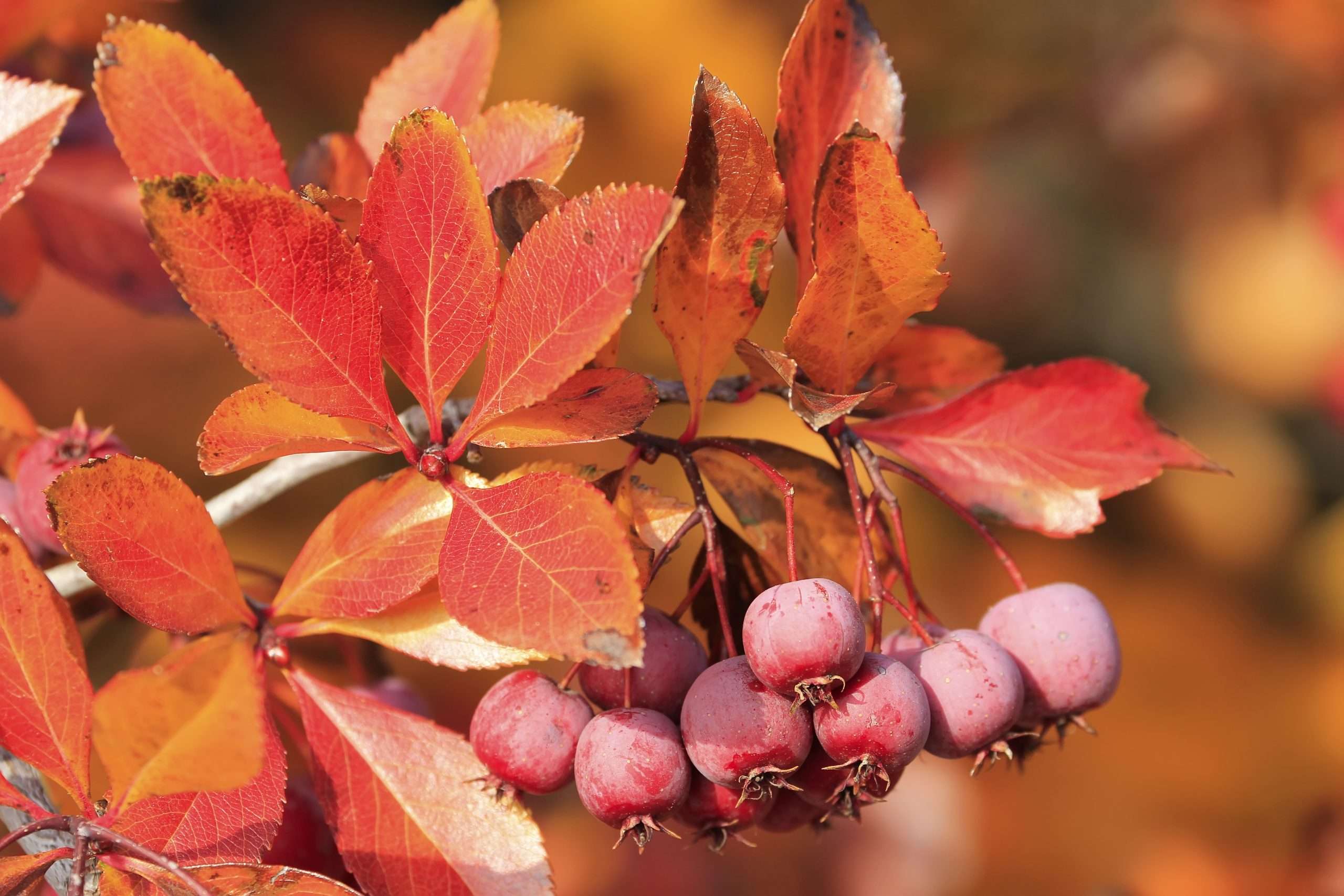
- Malus fusca — Western Crabapple
- Prunus emarginata — Bitter Cherry
- Sambucus racemosa — Red Elderberry
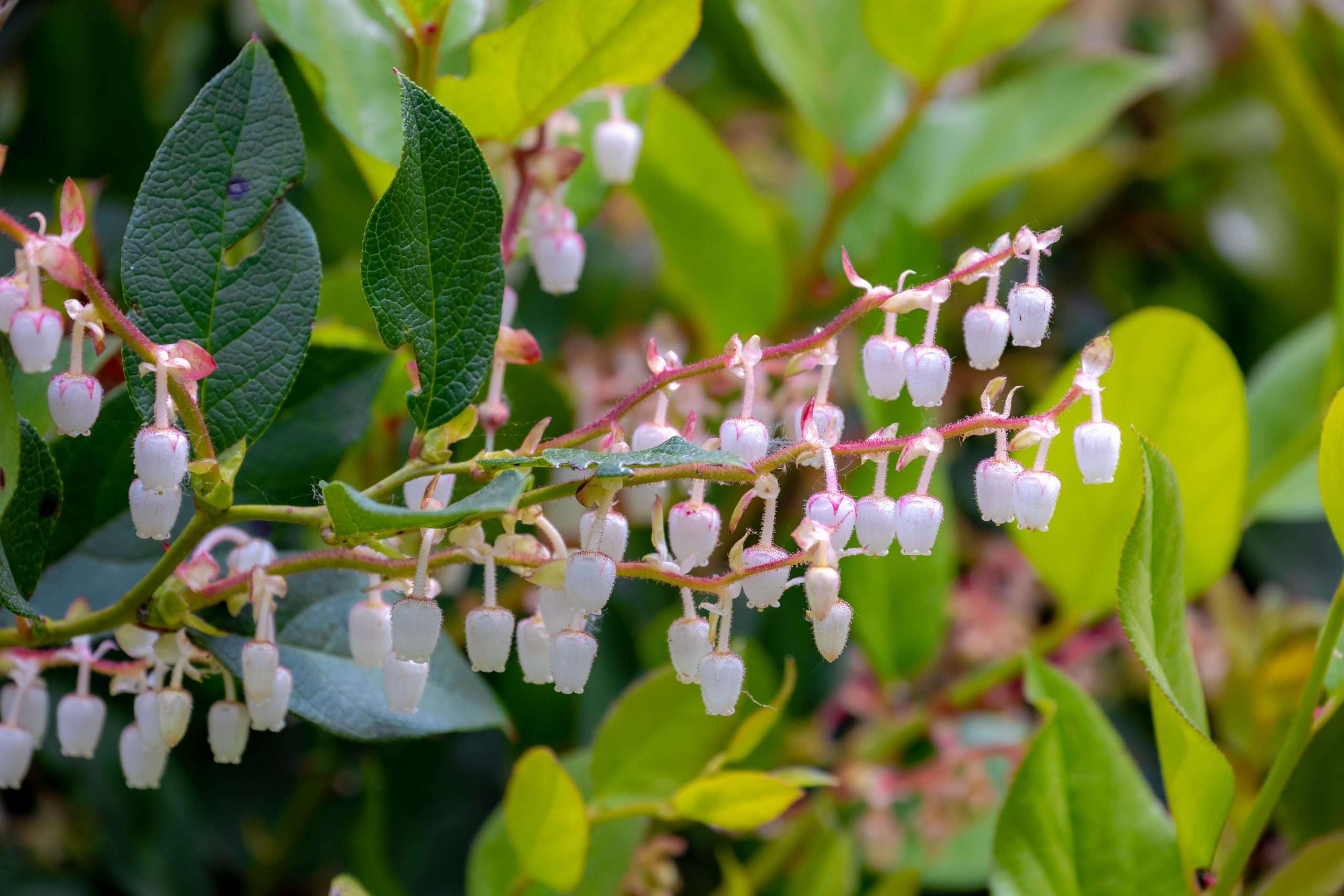
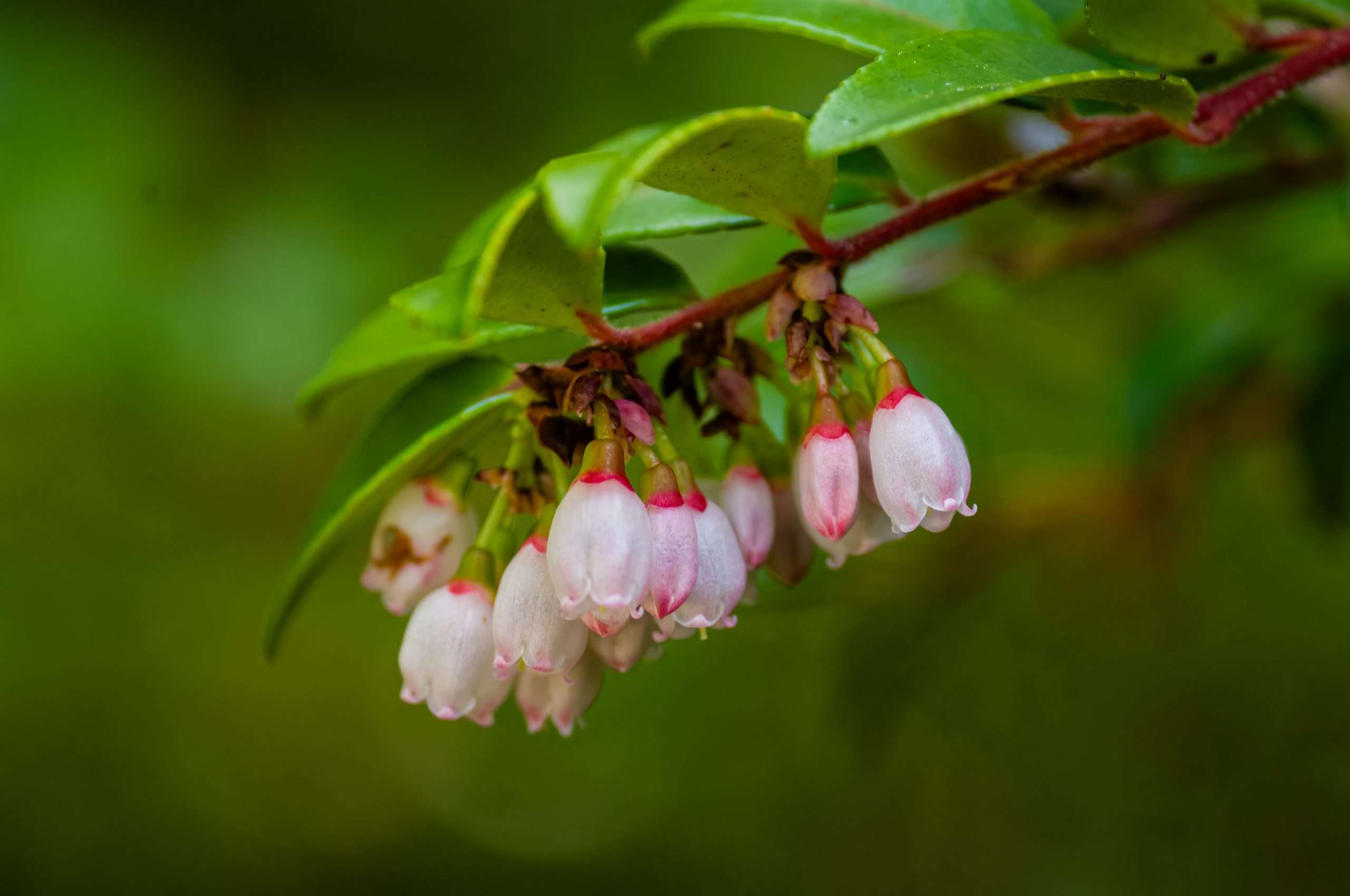
- Vaccinium ovatum — Evergreen Huckleberry

- Attracting wildlife
- Ecological restoration
- Acclimatized plants
- Feeling more connected to nature
- Pest and disease resistance
- Reducing storm-water run-off
See our specialty pages for other benefits:

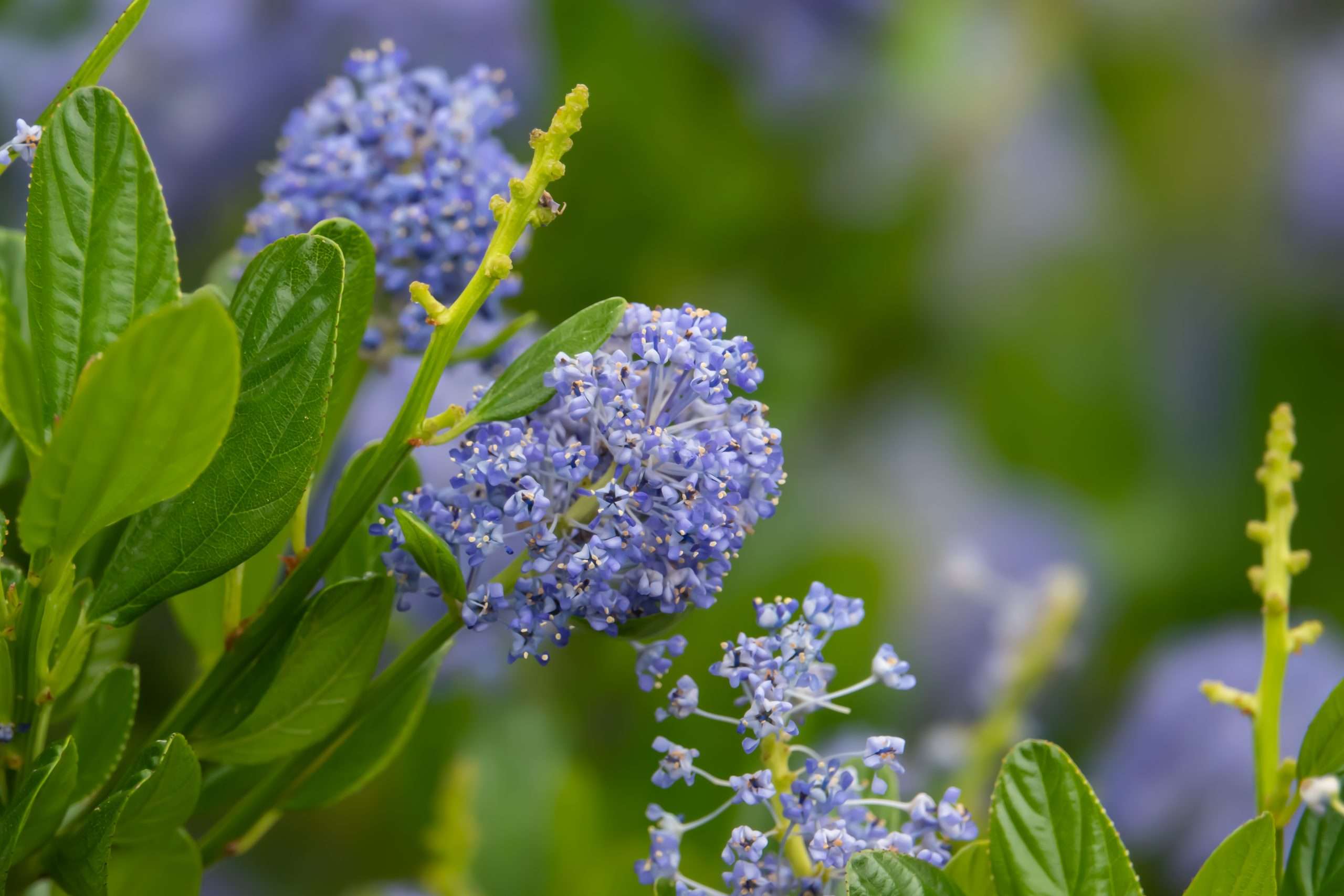
- Ceanothus cuneatus &mdash Buckbrush 8-10′, sun, heat, drought tolerant, Zone 6.
- Ceanothus thyrsiflorus &mdash Blue Blossom 8-10′, sun, heat, drought tolerant, Zone 8.
- Mahonia aquifolium &mdash Tall Oregon Grape 6-8′, sun or shade, Zone 5.
- Myrica californica &mdash Pacific Wax Myrtle 10-12′, sun or shade, Zone 7.
- Vaccinium ovatum &mdash Evergreen Huckleberry 4-6′, sun or shade, Zone 7.

We offer a number of brochures on creating potted designs. Download all that look interesting!

- Fragaria chiloensis &mdash Coast Strawberry
- Linnaea borealis &mdash Twinflower
- Polypodium glycyrhizza &mdash Licorice Fern
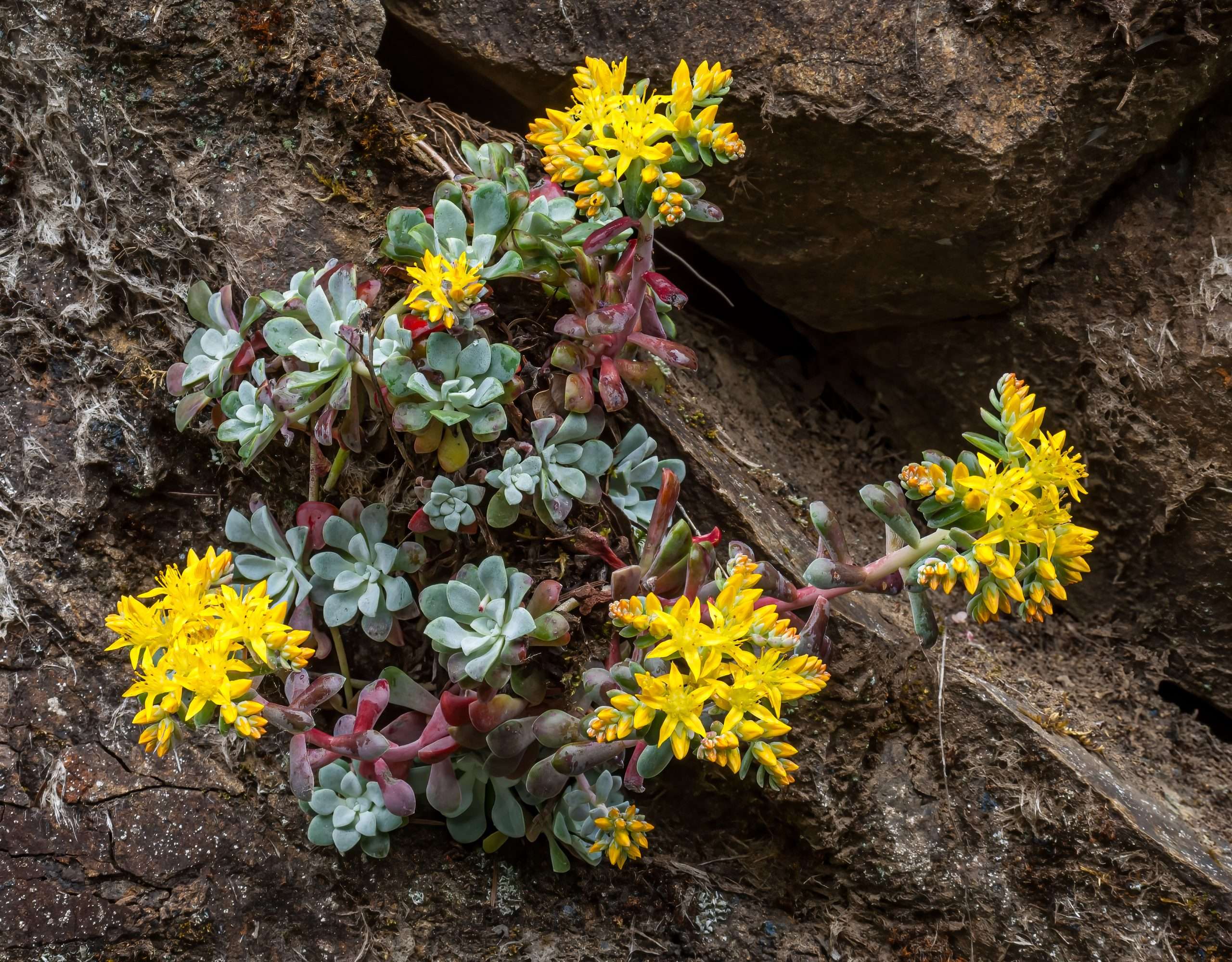
- Sedum oreganum &mdash Oregon Stonecrop

Oregon State University: Gardening with Oregon Native Plants West of the Cascades by Linda R. McMahan
This publication provides an introduction and guide for those who are interested in Pacific Northwest native plants and would like to incorporate natives into their home gardens. Included are:
- Basic information about selection, establishment, and care
- A list of recommended Pacific Northwest native plants; the plant list focuses on plants that are relatively easy to acquire, establish, and grow. Exceptions or special requirements are noted.
Find Natives for your garden
We offer a great selection of Northwest Natives from spring through fall. The plants featured are highlighted favorites, but they do not represent ALL of the plants we carry. For a more complete list, see our Northwest Native Plant List.